
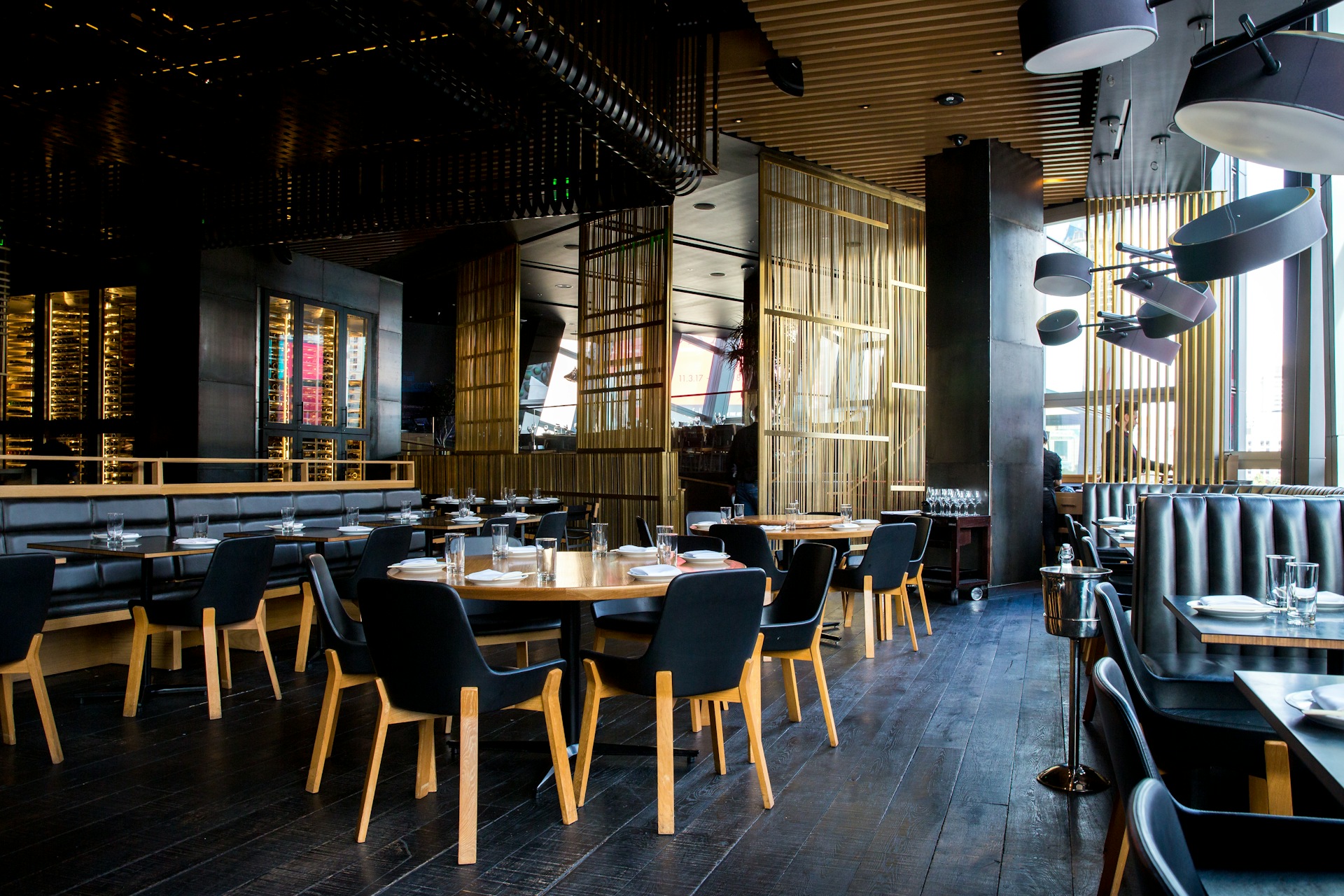
The Problem Most Restaurant Owners Face
If you've ever wondered why you're short on cash despite a busy weekend or a full dining room, you're not alone. Restaurant cash flow problems don't always mean your business is failing—they often mean money is coming in and going out at different times. Rent is due the first of the month. Payroll hits every two weeks. Vendors want payment on delivery. But your revenue might be strongest on Friday night or during the holiday rush. That timing mismatch is one of the biggest causes of restaurant cash flow stress. Add in seasonal slumps, a broken walk-in cooler, or a slow January, and even successful restaurant owners can find themselves needing restaurant working capital or other restaurant funding options to bridge the gap.
Understanding what's going on is the first step. The restaurant cash flow guide explains the problem in depth. This guide exists to help you make sense of restaurant cash flow problems, learn what restaurant funding and working capital mean, and see what options might fit your situation—so you can stop guessing and take a clear next step. Compare restaurant funding options when you're ready.

What Happens When Restaurant Cash Flow Breaks Down
When restaurant cash flow doesn't match your expenses, the effects show up fast. You might delay payroll, push off a vendor payment, or skip an equipment repair until it becomes an emergency. Over time, that stress affects your team, your suppliers, and your ability to run the business the way you want. The good news: you don't have to figure it out alone. Many restaurant owners use restaurant working capital or a restaurant cash advance to smooth out these gaps—covering payroll during a slow week, stocking up before a busy season, or fixing equipment when it breaks. Knowing that these restaurant funding options exist can make it easier to plan and breathe a little easier.
- Payroll gaps — When revenue is down but payday isn't. Restaurant funding can help you make payroll when you need it.
- Seasonal slumps — Slow months don't stop rent or bills. Working capital for restaurants can bridge the gap until traffic picks up.
- Equipment emergencies — A broken oven or cooler can't wait. Fast restaurant funding options exist for exactly these moments.
- Inventory and growth — Stocking up or expanding often requires cash upfront. Understanding your options helps you act when the opportunity is there.
Restaurant Funding and Working Capital: What You Need to Know
Restaurant working capital is the money you use to run your business day to day—payroll, inventory, supplies, repairs. When that money runs short, restaurant funding can come in different forms: a restaurant cash advance (often repaid as a percentage of your sales), a line of credit, or a traditional loan. Each has different speed, cost, and qualification. The goal of this site is to give you clear, practical information so you can see what might fit your situation. You'll find detailed guides on restaurant cash flow problems and options, when you need working capital, and how to compare restaurant funding options. Plus a blog full of articles on payroll, seasonal cash flow, equipment costs, and more—written for restaurant owners who are looking for answers, not sales pitches.

Where to Go Next
Pick the guide that matches what you're dealing with. Each one is written to help you understand the problem and your options—with no fluff and no pressure.
About This Guide
Lender-neutral information. We explain restaurant cash flow problems and funding options so you can understand what's going on and decide what fits your situation. We don't favor any particular lender or product.
Content is reviewed for accuracy and updated regularly. Not all applicants qualify for any product; terms vary by provider. This site is for information only—not an offer of credit or a guarantee of approval.
Common Questions Restaurant Owners Ask
Real answers to the questions restaurant owners ask most about cash flow, working capital, and funding options.
- Restaurant cash flow problems usually come from a timing mismatch: sales go up and down daily or seasonally, but rent, payroll, and vendor bills are due on fixed schedules. When revenue is low and bills are due, you can run short even if your restaurant is profitable on paper. Thin profit margins (often 3–9%) leave little cushion for these gaps.
- Restaurant working capital is the money you use to run day-to-day operations—payroll, inventory, supplies, utilities, and repairs. When you need more working capital than you have on hand (e.g. before a busy season or after a slow month), restaurant funding options like working capital or cash advance products can help bridge the gap.
- Some restaurant funding options focus more on your business revenue and sales history than on personal credit. That means restaurant owners with less-than-perfect credit may still qualify for working capital or restaurant cash advance products. Eligibility depends on the provider; not all applicants qualify.
- Speed depends on the product. Some restaurant funding options offer same-day or next-day decisions and funds in as little as 24–48 hours. Traditional loans often take weeks. If you need money quickly for payroll, equipment repairs, or inventory, exploring fast restaurant funding options is a practical step.
- Restaurant funding and working capital are typically flexible. Common uses include payroll, inventory, equipment purchases or repairs, seasonal cash flow gaps, marketing, renovations, and expansion. Use the funds for whatever your restaurant needs to operate or grow.
- Profit and cash flow are different. You can be profitable on paper but still run out of cash because money comes in after you’ve already paid labor, suppliers, and rent. Credit card deposits can take days; payroll and vendors often can’t wait. That timing mismatch is one of the main causes of restaurant cash flow problems.
- The best option depends on your situation. Restaurant cash advance and working capital products often provide fast access and repayment tied to sales. Traditional loans may offer lower rates for those who qualify but take longer. Comparing restaurant funding options—speed, cost, and repayment structure—helps you find what fits.
- If you’re struggling to make payroll, pay suppliers on time, or cover equipment repairs—or you need to stock up or staff up before a busy period—you may need restaurant working capital. Many owners use it to smooth out seasonal dips or one-off gaps. Understanding your cash flow and options is the first step.
- No. A restaurant cash advance is not a loan. You receive a lump sum and repay it as a percentage of your daily sales or revenue, so payments flex with your business. Loans usually have fixed monthly payments. Both can help with restaurant funding; the right choice depends on your needs and how you prefer to repay.
- This site has in-depth guides on restaurant cash flow problems, working capital, and funding options. Start with our Restaurant Cash Flow Guide for a full overview, then explore our blog for articles on payroll, seasonal cash flow, equipment funding, and more. You can also explore options that may match your situation when you’re ready.
You're Not Alone—Here's What to Do Next
Thousands of restaurant owners face the same cash flow and funding questions. The difference is whether you have clear information and a path forward. You can keep reading our guides and blog, or you can take the next step and see what options might actually work for your situation. Either way, you're in a better place than when you were just wondering what to do.
Review Restaurant Financing Options