
Restaurant Funding by Business Type
Why Business Type Matters for Restaurant Funding
This page is your hub for restaurant funding by concept. Food truck, pizzeria, bar, bakery, full-service, franchise, pop-up. Whatever you run, the same core products apply: cash advance and working capital. What changes is the rest. Each concept has its own cash flow patterns, seasonal swings, and capital needs. Find yours in the sections below and jump to the guides that fit. For the bigger picture on why restaurants need funding, see restaurant cash flow problems. Funding by location? Restaurant funding by state. New to the industry? Restaurant startup funding and how much you can qualify for.
Full-service restaurants carry higher labor costs and trickier inventory. Food trucks juggle permits, fuel, and equipment repairs. Bars and breweries deal with beverage inventory and licensing. Pizzerias and bakeries have predictable ingredient costs but lean hard on expensive equipment. Any of them can qualify for the same core products. What differs is how you use the funding and when you need it. This page walks through funding by business type and points to detailed guides for each.
The products themselves, cash advance and working capital, are usually flexible-use. Put the funds toward payroll, inventory, equipment, permits, or seasonal build-up. Repayment often runs as a percentage of daily card sales, so when revenue dips, your payment eases down with it. That setup fits concepts with uneven revenue. Speed helps too. A lot of providers give same-day or next-day decisions and funds in 24–48 hours, which matters when payday or an emergency is bearing down.
Food Trucks and Mobile Concepts
Food trucks have their own headaches. Permits, fuel, equipment repairs, seasonal events, and revenue that swings with location. When the truck breaks down or you need to stock up before a festival, funding can bridge the gap. Restaurant food truck funding works just like it does for brick-and-mortar. Providers look at your card sales and revenue history. See food truck working capital, food truck payroll funding, and food truck equipment financing for concept-specific guidance.
Seasonal swings hit food trucks hard. Events, weather, and location all drive the numbers. See food truck seasonal cash flow for handling the slow and busy stretches. When equipment fails, food truck emergency repairs and funding can help. Stocking up before a busy weekend or event usually takes upfront cash, and food truck inventory funding covers that.
Food truck operators often need cash for permits, commissary fees, and fuel just to get rolling. A second truck or a new location means paying for the vehicle, the equipment, and the first round of inventory. Plenty of providers that fund restaurants offer the same products to food trucks. The main thing is having card sales and revenue history to show. Just starting out? See funding options for new restaurants for what may be available with limited history.
Bars, Breweries, and Beverage-Focused Concepts
Bars and breweries sell high-margin drinks, but they also carry licensing costs, inventory build-up, and gear for tap systems and refrigeration. When you need to renew a liquor license, grow the beer list, or get through a slow winter, bar and brewery funding options are out there. The same products apply, cash advance and working capital, and providers look at your revenue and card processing volume. Beverage inventory ties up cash before it sells, so funding can help you stock up for a busy season or a new lineup.
Licensing and compliance pile onto the cost structure. See restaurant liquor license cost, restaurant bar inventory funding, and restaurant wine and beer program funding for related topics. Many providers that fund restaurants fund bars and breweries too. Qualification rests on revenue history, not the type of concept.
Pizzerias, Bakeries, and Quick-Service
Pizzerias have predictable costs. Flour, cheese, toppings. The equipment is the expensive part, though, with ovens and dough mixers running high. Cash flow can still get lumpy from payroll, repairs, and seasonal swings. Pizzeria funding options cover payroll, inventory, equipment, and expansion. Bakeries and bakery cafés look similar: flour and butter costs, pricey mixers and ovens, and holiday rushes. Restaurant and bakery funding works the same way, flexible-use products based on revenue history.
Quick-service and fast-casual spots tend to spend less on labor per dollar of revenue, but they push high volume and need solid equipment. Quick-service restaurant funding covers payroll, equipment, and inventory. Compare it with full-service restaurant cash flow to see how labor and cost structures shift between concepts.
Full-Service Restaurants and Fine Dining
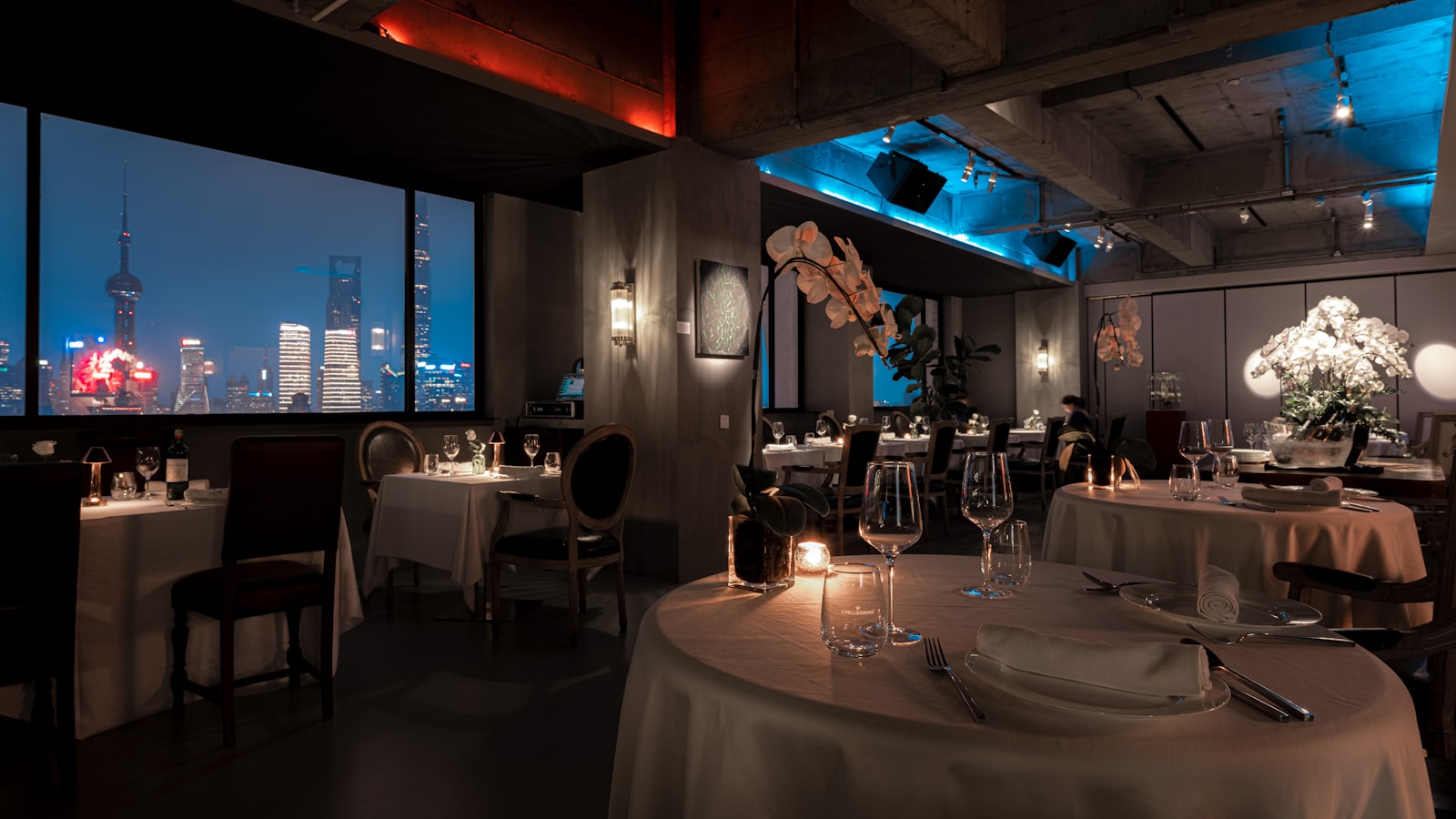
Full-service restaurants carry higher labor costs, often 30–35% of revenue, plus more complicated inventory. Revenue rides on table turns, check averages, and reservations. When rent, payroll, and vendors come due and revenue is uneven, funding can bridge the gap. Full-service restaurant cash flow lays out the challenges and the options. Fine dining runs on its own seasonal patterns and a higher per-check average. See restaurant fine dining cash flow for that segment.
A lot of full-service operators tap funding for payroll in slow weeks, inventory ahead of busy ones, or equipment repairs. With repayment tied to daily sales, your payment tracks revenue. Slow business, smaller payment. For payroll stress and staff training costs, those guides dig into labor-related cash flow. Compare restaurant funding options to see what fits.
Franchises, Pop-Ups, and New Concepts
Franchise restaurants owe royalty payments, marketing fund contributions, and renewal fees, all on a set schedule. When those bills land before the revenue does, restaurant franchise fees and working capital can help. Pop-ups and temporary concepts need money for build-out, permits, and operating costs before they earn a dime. Restaurant pop-up funding covers short-term and mobile concepts. New restaurants often can't qualify for traditional loans. See funding options for new restaurants for what exists when you're just opening. For soft openings or pre-opening costs, those guides cover the early stages.
Mobile catering and event-driven concepts run on their own cash flow rhythm. See mobile catering funding for that segment. Whatever the concept, providers mostly care about revenue history. If you have card sales and steady deposits, you may qualify for the same products. Compare your options before you need them.
Related Guides by Business Type
Food trucks: Restaurant food truck funding, food truck working capital, food truck payroll funding, food truck equipment financing, food truck seasonal cash flow, food truck inventory funding, food truck emergency repairs.
Bars & breweries: Bar and brewery funding, wine and beer program funding. Pizzerias: Pizzeria funding options. Bakeries: Restaurant and bakery funding. QSR: Quick-service restaurant funding. Full-service: Full-service restaurant cash flow, menu expansion. Franchises: Restaurant franchise fees. Pop-ups: Restaurant pop-up funding. New restaurants: Funding options for new restaurants. Operations: gift card sales, delivery fleet, revenue optimization.
Not all applicants qualify; terms vary by provider. Explore Restaurant Funding Options.
Explore All Guides: Operations, Costs, and Growth
Past the concept-specific stuff, these guides dig into operational costs, labor, and growth. Those topics touch every restaurant type. Use them to understand what drives cash flow and when funding makes sense.
Labor and Staff
- Restaurant payroll stress. When labor costs squeeze margins.
- Restaurant staff training cost. Funding training and development.
- Restaurant labor shortage funding. When you can't find enough staff.
Operations and Revenue
- Restaurant gift card sales. How gift card timing affects cash flow.
- Restaurant delivery fleet. Funding in-house delivery and drivers.
- Restaurant third-party delivery. Delivery app fees and payout delays.
- Restaurant revenue optimization. Lifting revenue without more capital.
- Restaurant expense reduction strategies. When costs need to come down.
Build-Out, Compliance, and Upgrades
- Restaurant loyalty program cost. Investing in retention programs.
- Restaurant sustainability upgrades. Green and eco-friendly improvements.
- Restaurant takeout packaging. When packaging costs add up.
Events and Catering
- Mobile catering funding. Event-driven concepts and cash flow.
- Restaurant event catering capital. Funding large events and catering orders.
- Restaurant festival and event funding. When you need capital for festivals and events.
Fine Dining and Specialized Concepts
- Restaurant fine dining cash flow. Higher per-check, different seasonal patterns.
- Restaurant private dining. Funding private dining or event space upgrades.
Estimate your monthly payment
Adjust the amount, rate, and term to see a rough monthly payment for restaurant funding.
Estimate only — your actual rate and term depend on your business. Talk to someone for real numbers.
